Family5 min read
You Have Until Eleven
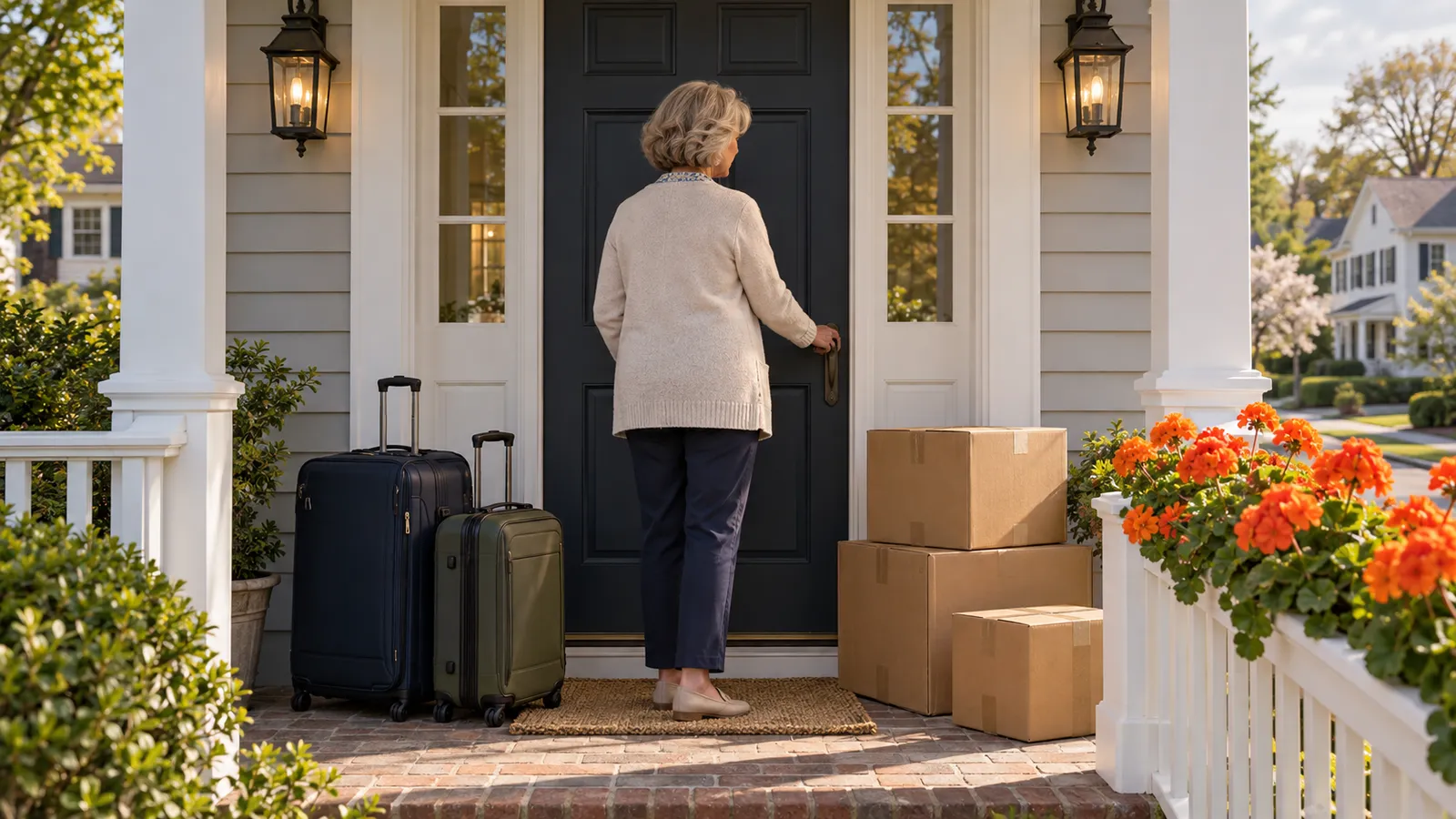
I'd been patient for six months. The morning she told me I'd be moving into the guest room, I carried her suitcases to the porch and locked my own front door.
Chapter 1: The Morning
I'd been patient for six months. The morning she told me I'd be moving into the guest room, I carried her suitcases to the porch and locked my own front door.
She said it the way she said most things — not as a question, not even as a statement, but as an arrangement already made. She was at the kitchen counter with her iced latte and her phone, her bag over one shoulder, keys in her free hand. She was on her way out for a walk, the way she went for a walk every Sunday at nine. She said it between sips: the master bedroom would be more practical for her and Nolan, given their schedules. The guest room would be more manageable for me. She could help me move my things this week if I needed help.
I was looking at my appointment book. I had written 9:15 — Tessa announces bedroom and then I put the pen down.
She waited for a moment, and when I did not say anything, she picked up her keys and laughed a little — not unkindly, the way she laughed at traffic or a slow elevator — and said she would see me in a few hours. The door shut behind her. I heard her car pull out. I heard the wheels of her SUV on the gravel at the end of Whitmore Lane and then nothing.
I sat at the counter with my coffee for three more minutes. I finished it. I rinsed the cup and set it upside down on the mat beside the sink, the way I always have. Then I got up and went upstairs.
I knew what she kept on the dresser because I had been moving around it for six months — her makeup, her two perfume bottles, her phone charger that she always left coiled on my grandmother's embroidered runner. I started with the dresser. I put each item into her large cosmetic case in the order she kept them, left to right, so she would find everything where she expected it. Then the charger. Then the runner, folded and set aside — I was keeping that. It had been my grandmother's and before that someone else's grandmother's, and it was going back in the drawer where it had been since 1994.
The closet held four months of accumulated wardrobe. She had arrived in April with six boxes; she had added to them through the summer. I took the hanging clothes in sections, folded them over the bar of the rolling suitcase the way a good shop would, so they would not wrinkle. Her shoes went into the second suitcase, each pair in its original bag. Her toiletries were in the bathroom at the end of the hall — she had reorganized that bathroom in May, moved my things to the cabinet under the sink. I packed her toiletries into a canvas tote that had been hanging on the back of the door since June. I brought the tote downstairs and set it with the suitcases.
The boxes were in the room she called the study, which I had called the guest room for thirty-eight years. I had agreed in April that they could use it for storage while they settled in. The boxes were still sealed. There were four of them, taped at the top with the kind of tape you buy in the moving aisle, and each one was labeled in her handwriting: kitchen, living rm, misc, misc 2. I did not open them. They were hers, still sealed, and I carried them to the porch two at a time.
The geraniums were still blooming beside the railing. I had planted them in April, the week they arrived, thinking the porch would need some color if people were coming and going. They were overdue for deadheading. I made a note to do it later.
I made two trips with the suitcases, which were heavy because she had filled them well. I was careful on the steps. The second trip I paused in the doorway and looked back at the hallway — the console table, the hooks where I hang my coat, the floor I had mopped on Thursday. Everything was exactly where it belonged. I had not damaged anything of hers. The apartment I was putting her out into was the same apartment she had packed in whatever city she had come from. I had done nothing to it.
I went inside and locked the door. The deadbolt, which I had installed in 1993 after a break-in on Birch Avenue, turned with the particular weight of something that means it.
I sat down in my reading chair — the one I bought myself the year I retired, the one Tessa had mentioned twice might look better in the guest room. I put my feet on the ottoman. I could hear the neighborhood: a lawnmower three houses down, a dog barking once and stopping. I had the appointment book on the arm of the chair and I had the second half of my coffee, which had gone lukewarm. I drank it anyway.
At 10:55, I heard her car.
I heard the door of the SUV, and then a pause — that particular quality of silence that happens when a person registers something unexpected and is deciding how to register it. Then her footsteps on the porch boards. Then, through the door, his voice on her phone, because she had called him immediately, from the driveway, which told me that she already knew what she was dealing with.
"We're taking your bedroom." That was Tessa, through the door — directed at the situation, not at me exactly. She was still holding it as a misunderstanding, something that would correct itself once the correct conversation happened.
"Show some respect." That was Nolan, on the phone, from wherever he was. Loud enough to carry through the door and the glass. I could picture him: in the car somewhere, or at a table, hearing about it secondhand and needing to say something that sounded like taking a position.
I waited a moment. Then I said, through the closed door: "Your room is the guest room."
There was a silence. I could hear her breathing on the other side of the wood, or I thought I could.
Then she tried the handle. It was locked. She tried it again.
"You have until eleven," I said.
I did not say anything else. I sat with my lukewarm coffee and I listened to her try the handle one more time and stop. Through the window beside the door I could see the geraniums, orange and rust against the gray October morning. One petal had fallen from the largest bloom onto the lid of the second suitcase. I watched it sit there in the still air, too small to move.
At 10:58 I heard her call someone — her voice low and fast, turned away from the door. At 11:03 the SUV backed out and turned down Whitmore Lane and the sound of it faded until I could not separate it from the other sounds of a Sunday morning.
I sat for another minute. Then I picked up the appointment book and wrote: 10:55 — she came back. 11:03 — she left.
I put the pen down. The house was quiet in a way it had not been quiet on a Sunday morning in six months. I sat with it for a while before I got up to start lunch.
End of chapter 1